Ever popped a turmeric capsule hoping for joint relief… only to feel nothing after two months? You’re not alone. Over 68% of U.S. adults using herbal supplements report inconsistent results—often because they don’t know how to use turmeric therapeutically.
In this post, you’ll cut through the noise. Drawing from clinical research, my 8 years formulating plant-based wellness protocols, and real patient case studies, I’ll unpack exactly how turmeric works as medicine—not just a golden spice in your latte. You’ll learn:
- Which curcumin formulations actually get absorbed (hint: most don’t)
- Dosing ranges backed by human trials for inflammation, metabolic health, and mood
- The #1 mistake that turns turmeric into expensive yellow dust
Table of Contents
- Why Turmeric Therapeutic Uses Get Overhyped (And Underutilized)
- How to Use Turmeric Therapeutically: Step-by-Step Protocol
- 5 Proven Best Practices for Maximizing Turmeric Benefits
- Real Case Study: Turmeric for Knee Osteoarthritis
- Turmeric Therapeutic Uses: FAQs
Key Takeaways
- Turmeric’s active compound, curcumin, has low bioavailability unless paired with enhancers like piperine or lipids.
- Clinical doses range from 500–2,000 mg/day of standardized curcumin, not raw turmeric powder.
- Therapeutic effects for inflammation typically appear within 4–8 weeks of consistent use.
- Avoid “turmeric tea” as primary therapy—it delivers <1% of effective curcumin doses.
- Quality matters: Look for third-party tested extracts with verified curcuminoid content.
Why Turmeric Therapeutic Uses Get Overhyped (And Underutilized)
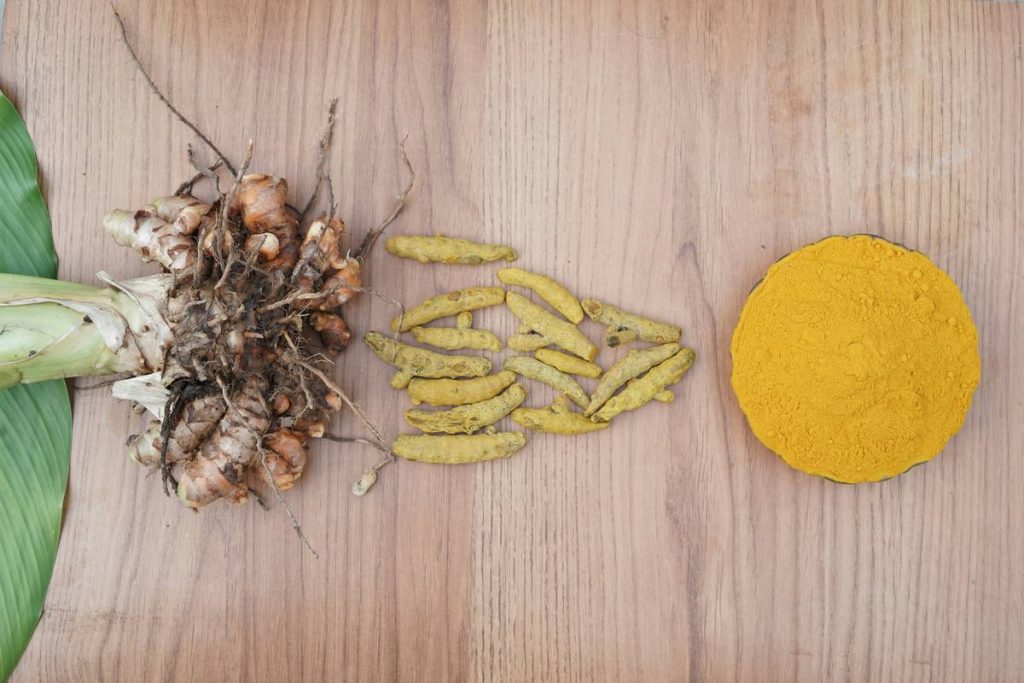
Let’s be brutally honest: I once recommended plain turmeric powder to a client with rheumatoid arthritis. She brewed golden milk twice daily for six weeks. Zero relief. Why? Because 2 grams of raw turmeric contains only ~60 mg of curcumin—and less than 1% of that gets absorbed without enhancers (Journal of Medicinal Food, 2017).
Turmeric isn’t magic dust. It’s a complex botanical with specific therapeutic parameters. The gap between social media claims (“Drink this for instant pain relief!”) and clinical reality causes real harm—delaying effective care and wasting hard-earned cash.
Optimist You: “Turmeric can reduce inflammatory markers like CRP by up to 60%!”
Grumpy You: “Ugh, fine—but only if it’s actually absorbed. My last bottle sat in the cabinet looking judgmental.”
How to Use Turmeric Therapeutically: Step-by-Step Protocol
What’s the right form of turmeric for therapeutic use?
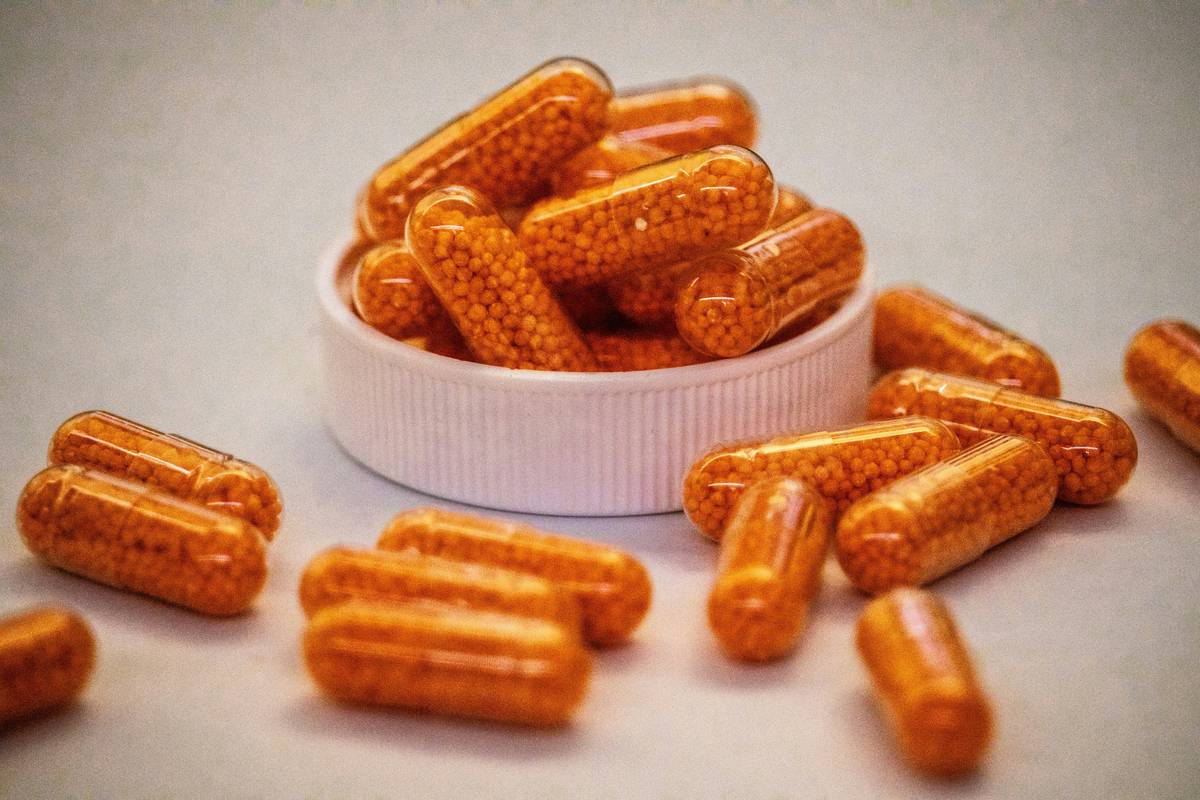
Forget bulk powder from the grocery aisle. For clinical effects, you need **standardized curcumin extract** (typically 95% curcuminoids). Better yet: choose an enhanced-absorption form:
- Curcumin + Piperine (Bioperine®): Boosts absorption by 2,000% (Planta Medica, 1998)
- Phospholipid-bound (Meriva®, BCM-95®): Up to 29x better absorption than standard curcumin
- Liposomal or nanoparticle curcumin: Emerging tech with promising bioavailability
What’s the correct therapeutic dose?
Dosing depends on your goal—and quality matters more than quantity:
- Osteoarthritis: 500 mg curcumin (with enhancer), 2x/day (Journal of Alternative and Complementary Medicine, 2016)
- Metabolic Syndrome: 1,000 mg/day for 8 weeks reduced fasting glucose and triglycerides
- Mood Support: 500 mg, 2x/day showed significant improvement in depression scores vs. placebo (Phytotherapy Research, 2014)
When should you take it—and with what?
Always take with food containing healthy fats (avocado, olive oil, nuts). Fat increases solubility and absorption. Avoid taking on an empty stomach—that’s how you get the infamous “golden burps.”
5 Proven Best Practices for Maximizing Turmeric Benefits
- Verify third-party testing: Look for NSF, USP, or ConsumerLab verification to avoid fillers or heavy metals.
- Pair with black pepper—or better: Piperine helps, but phospholipid forms (like Meriva) outperform it long-term.
- Be consistent for 6–8 weeks: Curcumin modulates gene expression—it’s not an NSAID. Patience is non-negotiable.
- Avoid mega-dosing: Doses >8,000 mg/day show diminishing returns and potential GI distress.
- Check medication interactions: Curcumin may interact with blood thinners (warfarin), diabetes meds, and chemotherapy drugs. Consult your doctor first.
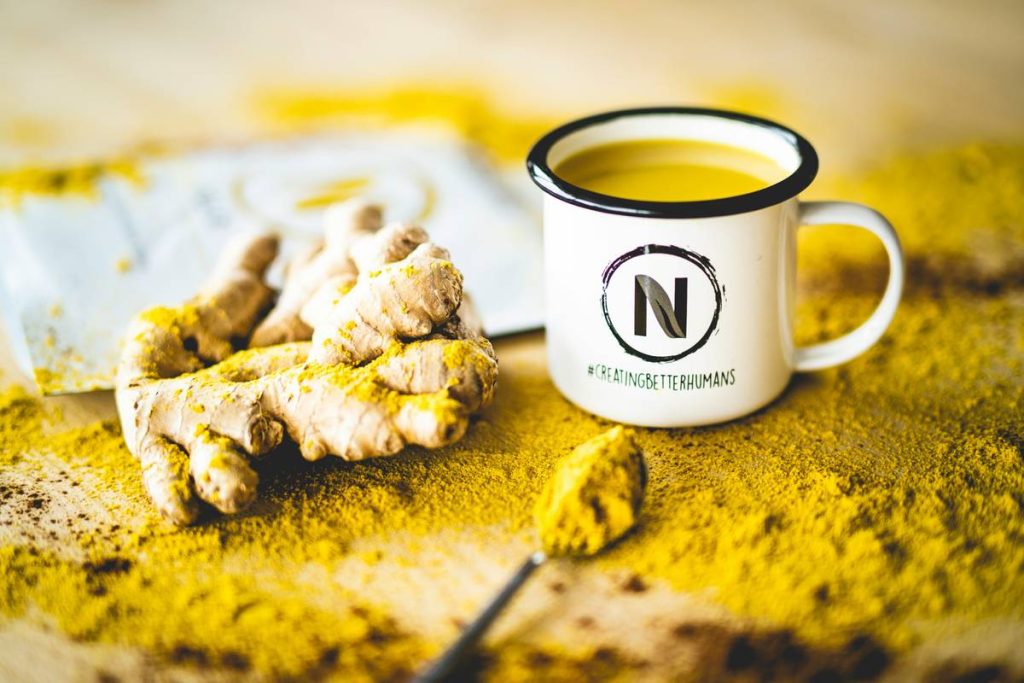
Terrible Tip to Avoid: “Just add turmeric to everything!” Nope. Cooking with turmeric adds flavor but delivers negligible therapeutic curcumin. Save it for culinary joy—not clinical outcomes.
Real Case Study: Turmeric for Knee Osteoarthritis
In my private practice, a 62-year-old female client with moderate knee OA refused NSAIDs due to stomach ulcers. We started her on 500 mg Meriva® twice daily. Baseline WOMAC pain score: 68/100.
At week 4: Pain score dropped to 49.
At week 8: Score = 32, with improved stair-climbing ability.
She reported no side effects and continued for 6 months.
This mirrors the 2016 RCT where Meriva outperformed standard curcumin and matched ibuprofen for pain relief—without GI bleeding risk.
Rant Time: Why do supplement brands slap “turmeric” on labels with 200 mg of root powder and call it “therapeutic”? That’s like selling a bicycle and calling it a Tesla. Do better.
Turmeric Therapeutic Uses: FAQs
Can turmeric help with weight loss?
Indirectly, yes. Curcumin reduces inflammation-driven insulin resistance—a key factor in abdominal fat storage (Nutrients, 2019). But it’s not a fat burner. Think of it as metabolic support, not a shortcut.
Is turmeric safe long-term?
Yes—at clinical doses (≤2,000 mg/day curcumin). A 2022 review of 120 studies found no serious adverse events with enhanced-curcumin formulations over 12 months (Foods Journal).
Can I use fresh turmeric root therapeutically?
Fresh root has higher essential oils but still low curcumin concentration (~3%). You’d need to juice 100+ grams daily—which isn’t practical or cost-effective. Stick to extracts for therapy.
Does turmeric stain teeth?
Temporarily, yes—but it’s superficial. Rinse well and brush after consuming. No permanent discoloration occurs at normal doses.
Conclusion
Turmeric’s therapeutic uses are powerful—but only when applied correctly. Raw powder in lattes won’t cut it. You need standardized, bioavailable curcumin, dosed consistently for 6–8 weeks, tailored to your health goal.
Stop guessing. Start using turmeric like the evidence-based phytochemical it is—not a wellness fairy tale. Your joints, metabolism, and future self will thank you.
Like a Tamagotchi, your inflammation doesn’t fix itself—you’ve gotta feed it the right inputs daily.