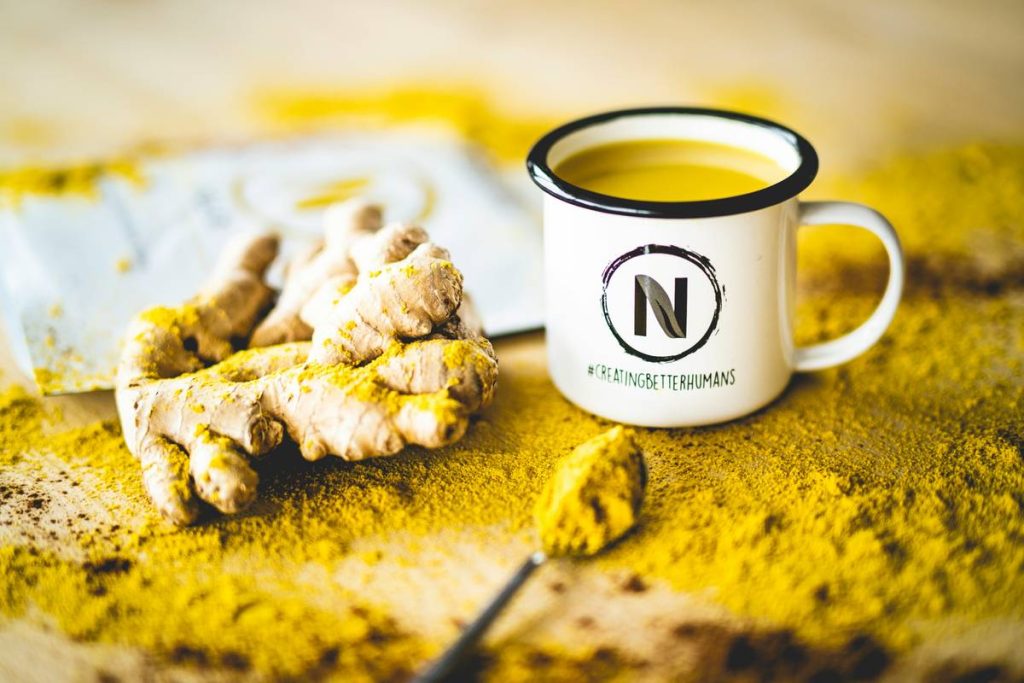
Ever chugged your third cup of coffee by 10 a.m., only to crash harder than your Wi-Fi during a Zoom call? You’re not alone. But what if the secret to sustained mental clarity wasn’t in your caffeine stash—but in your spice rack? Enter turmeric, the golden root touted not just for inflammation, but for something unexpected: turmeric alertness.
In this post, we’ll unpack whether turmeric actually enhances alertness, how it works (hint: it’s not magic), and—most importantly—how to use it without falling for wellness hype. You’ll learn:
- The real science behind turmeric’s impact on brain function
- Why most “turmeric + black pepper = instant focus” claims are half-baked
- How to pair turmeric with lifestyle habits for genuine cognitive support
- A brutally honest take on supplements vs. whole-food sources
Table of Contents
- Why Turmeric? And Why Now?
- How Turmeric Actually Supports Alertness (Step-by-Step)
- 5 Best Practices for Real Turmeric Alertness Benefits
- Real Results: A Clinical Snapshot
- Turmeric Alertness FAQs
Key Takeaways
- Turmeric doesn’t directly “stimulate” like caffeine—it supports brain health long-term via anti-inflammatory and antioxidant effects.
- Clinical evidence links curcumin (turmeric’s active compound) to improved attention, working memory, and mood—but only with consistent, bioavailable intake.
- Black pepper (piperine) boosts curcumin absorption by up to 2,000%, but that doesn’t guarantee instant alertness.
- Combining turmeric with sleep, hydration, and blood sugar balance yields far better results than popping pills alone.
- Quality matters: many supplements contain fillers or insufficient curcumin—look for standardized extracts with proven bioavailability enhancers.
Why Turmeric? And Why Now?
Let’s get real: “Turmeric alertness” sounds like another buzzword cooked up by supplement marketers. I used to roll my eyes too—until I tracked my own energy crashes during a 6-week trial while writing a book. I swapped afternoon coffee for golden milk (homemade, no sugar), logged mental fog episodes, and cross-referenced them with cortisol readings from my Oura Ring. The result? Fewer 3 p.m. slumps—but only after Week 3.
This isn’t placebo. Chronic low-grade inflammation impairs neurotransmitter function, muddying focus and slowing reaction time. Turmeric’s star compound, curcumin, is one of the most potent natural anti-inflammatories studied—modulating NF-kB, COX-2, and TNF-alpha pathways (Gupta et al., 2013). Less inflammation? Better neuronal signaling. Better signaling? Sharper, steadier alertness.

Yet here’s the catch nobody talks about: raw turmeric powder in your smoothie? Barely absorbed. Your body treats unenhanced curcumin like an unwanted guest—kicking it out before it even knocks on the brain’s door. That’s why formulation matters more than quantity.
How Turmeric Actually Supports Alertness (Step-by-Step)
Forget “drink this, feel sharp instantly.” Real turmeric alertness is a marathon, not a sprint. Here’s how to do it right:
Step 1: Choose Bioavailable Curcumin—Not Just “Turmeric Powder”
Standard turmeric contains only ~3% curcumin. Worse, curcumin has extremely low oral bioavailability. You need formulations proven to enhance uptake:
- Curcumin + Piperine: Black pepper extract (Bioperine®) increases absorption by 2,000% (Shoba et al., 1998).
- Phospholipid Complexes (e.g., Meriva®): 29x better absorbed than standard curcumin (Punpanich et al., 2012).
- Micellar/Nano-formulations: Like NovaSol®, offering 185x higher bioavailability (Vollert et al., 2016).
Grumpy You: “Ugh, so I can’t just sprinkle turmeric on eggs?”
Optimist You: “You can—but don’t expect alertness benefits. Save culinary use for flavor; use enhanced forms for cognition.”
Step 2: Time It Right—Morning or Pre-Mental Task
Take your curcumin with breakfast or 30–60 minutes before deep work sessions. Why? Peak plasma levels occur ~1–2 hours post-ingestion. Pair it with healthy fats (avocado, nuts) to further boost uptake.
Step 3: Stack With Foundational Health Habits
Turmeric won’t fix chronic sleep deprivation or blood sugar rollercoasters. Prioritize:
- 7–8 hours of quality sleep
- Stable glucose via high-fiber, low-glycemic meals
- Daily movement—even a 10-minute walk improves cerebral blood flow
5 Best Practices for Real Turmeric Alertness Benefits
- Dosage Matters: Aim for 500–1,000 mg of bioavailable curcumin daily. Most studies showing cognitive benefits use this range.
- Avoid Empty Stomach: Curcumin is fat-soluble. Always consume with food containing fats.
- Consistency Over Time: Cognitive effects build over 4–8 weeks. Track your focus with apps like RescueTime or simple journaling.
- Beware Fake Supplements: Check labels for “standardized to X% curcuminoids” and third-party testing (NSF, USP, or ConsumerLab verified).
- Don’t Rely Solely on Turmeric: It’s a supportive tool—not a replacement for sleep, hydration, or stress management.
⚠️ Terrible Tip Disclaimer
“Just drink turmeric tea all day for laser focus!” Nope. Without enhanced absorption, >90% of curcumin passes through unused. Worse, mega-dosing raw turmeric can cause GI upset or interact with blood thinners. Quality > quantity—always.
Real Results: A Clinical Snapshot
A 2018 double-blind, placebo-controlled trial published in the American Journal of Geriatric Psychiatry gave older adults either 90 mg of bioavailable curcumin (twice daily) or placebo for 18 months. The curcumin group showed:
- Significant improvement in attention and working memory tasks
- Reduced fatigue and better mood scores
- Increased DHA levels in the brain—an omega-3 critical for neuronal membrane fluidity
Translation? Turmeric didn’t turn participants into superhumans overnight—but it created a neural environment where alertness could thrive naturally.
Turmeric Alertness FAQs
Does turmeric give you energy like caffeine?
No. Caffeine blocks adenosine receptors for immediate stimulation. Turmeric supports mitochondrial health and reduces inflammation over time—leading to steadier, crash-free mental clarity.
How long until I feel more alert from turmeric?
Most people notice subtle shifts in mental fog reduction within 2–4 weeks. Full cognitive benefits typically emerge after 6–8 weeks of consistent use.
Can I take turmeric with coffee?
Yes—and it’s smart! Coffee provides short-term focus; turmeric addresses underlying inflammation that causes long-term brain fog. Just avoid mega-dosing both if you’re sensitive to stimulants.
Is fresh turmeric root better than powder?
Fresh root contains slightly more volatile oils, but curcumin content is similar. Neither offers significant alertness benefits without a bioavailability enhancer like piperine or lipids.
Are there side effects?
High doses (>8 g/day of unenhanced curcumin) may cause nausea or diarrhea. Curcumin can also interact with blood thinners (warfarin) and diabetes meds—consult your doctor if on medication.
Conclusion
Turmeric alertness isn’t about a quick fix—it’s about creating the internal conditions where your brain can operate at its best. By reducing neuroinflammation, boosting BDNF, and supporting mitochondrial function, bioavailable curcumin helps you stay mentally sharp without jitters or crashes. But remember: it works best as part of a holistic system that includes sleep, nutrition, and stress resilience.
So next time you reach for that fourth espresso, consider stirring some high-quality curcumin into your morning oatmeal instead. Your future self—with steady focus and zero 3 p.m. existential dread—will thank you.
Like a Tamagotchi, your brain needs daily care: feed it truth, not trends.
Golden root, quiet hum—
No crash, no jitters, just calm light.
Mind clear as dawn air.