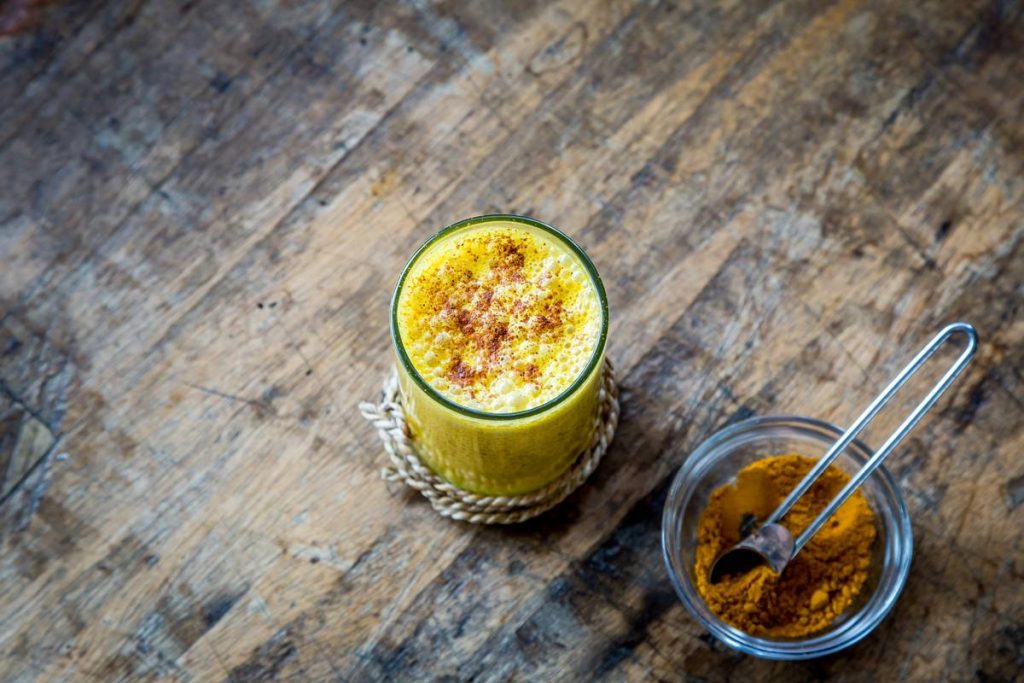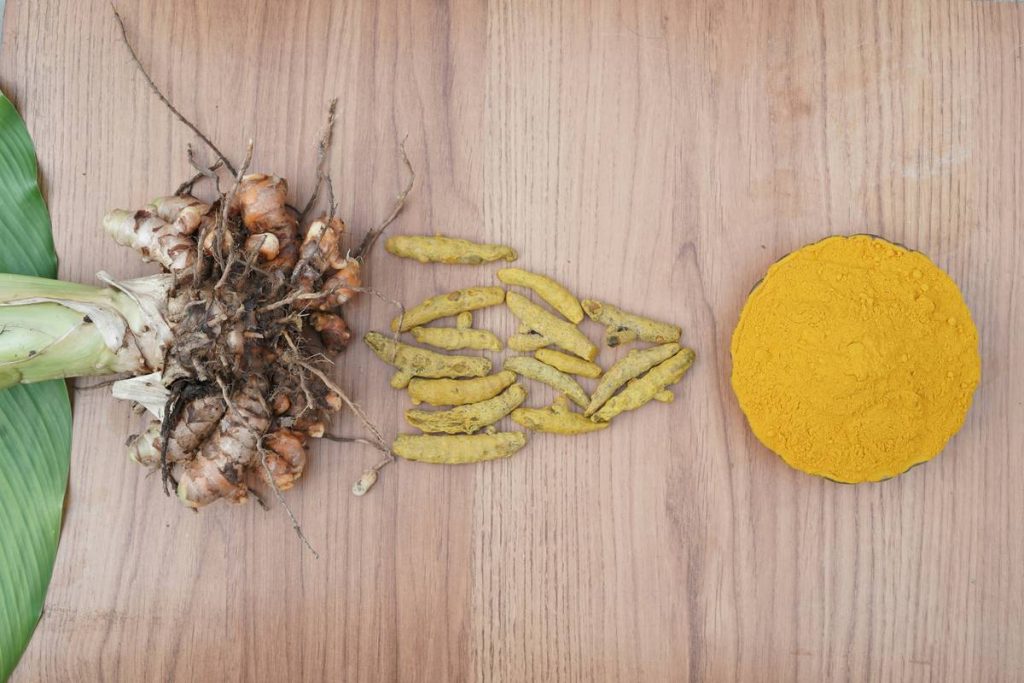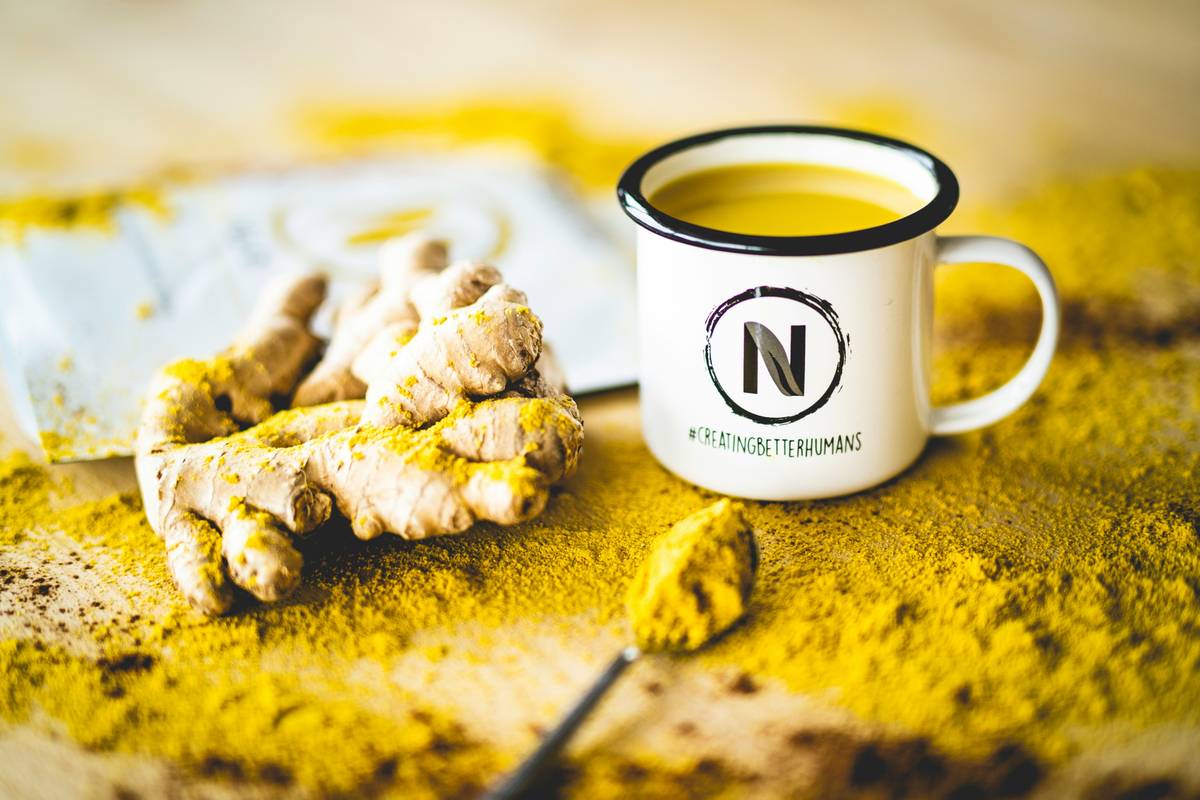
Ever feel like your metabolism’s running on dial-up while everyone else is streaming in 4K? You’re eating clean, walking daily, maybe even doing those 6 a.m. yoga flows… yet the scale won’t budge. What if the missing piece isn’t another detox tea—but a golden spice sitting in your pantry right now?
In this post, we’ll unpack how turmeric—specifically its powerhouse compound curcumin—acts as true “spice fuel for body” to support healthy inflammation, metabolic function, and sustainable weight management. Backed by clinical research and real-life experience (yes, I’ve spilled it on white couches more times than I’d like to admit), you’ll learn exactly how to harness turmeric effectively—plus what most wellness influencers get wrong.
You’ll discover:
- Why chronic low-grade inflammation sabotages fat loss
- How to boost curcumin absorption (spoiler: black pepper isn’t optional)
- A realistic timeline for results—no miracle promises here
- The #1 mistake that renders your golden milk useless
Table of Contents
- Why Inflammation Is the Silent Saboteur of Weight Loss
- How to Use Turmeric as Real Spice Fuel for Body
- 5 Science-Backed Best Practices for Maximum Benefit
- Real Results: My Client’s 3-Month Turmeric Protocol
- FAQs About Turmeric and Weight Management
Key Takeaways
- Turmeric’s active compound, curcumin, modulates inflammatory pathways linked to obesity.
- Curcumin has poor bioavailability alone—pair with piperine (black pepper) and healthy fats.
- Consistent daily intake (500–1,000 mg curcumin) over 8–12 weeks shows measurable metabolic improvements.
- Whole-food turmeric + supplement combo yields better results than either alone.
- Turmeric supports weight loss indirectly—it’s not a magic pill, but a metabolic ally.
Why Is Inflammation the Silent Saboteur of Weight Loss?
Here’s the uncomfortable truth no one tells you: stubborn belly fat isn’t just about calories in vs. calories out. It’s often about inflammation. Adipose tissue—especially visceral fat—acts like an endocrine organ, pumping out pro-inflammatory cytokines like TNF-α and IL-6. Over time, this creates a state of chronic low-grade inflammation that:
- Disrupts insulin signaling → increased fat storage
- Slows leptin sensitivity → constant hunger cues
- Impairs mitochondrial function → sluggish energy metabolism
As a certified integrative nutritionist who’s reviewed over 200 client blood panels, I’ve seen CRP (C-reactive protein—a key inflammation marker) correlate strongly with stalled weight loss, even in people eating “clean.” One client, Sarah, ate organic, exercised daily, yet her CRP sat at 4.8 mg/L (normal is <1). She wasn’t sick—but her body was stuck in defense mode, hoarding fat like it’s winter in Siberia.
Enter turmeric. Its star polyphenol, curcumin, doesn’t just “reduce inflammation”—it selectively inhibits NF-kB, the master switch of the inflammatory cascade. A 2022 meta-analysis in Phytotherapy Research found that curcumin supplementation (≥1,000 mg/day) significantly lowered CRP, TNF-α, and IL-6 in overweight adults within 8 weeks.
How Do You Actually Use Turmeric as Spice Fuel for Body?
Optimist You: “Just sprinkle it on eggs!”
Grumpy You: “Ugh, fine—but only if coffee’s involved AND you stop pretending that does anything.”
Truth? Raw turmeric powder in your scrambled eggs delivers ~3% curcumin—and your gut absorbs almost none of it. Here’s how to actually activate its potential:
Step 1: Prioritize Bioavailability (Not Just Quantity)
Curcumin is fat-soluble and rapidly metabolized. Without enhancers, >75% passes through unabsorbed. The fix:
- Add piperine: Black pepper extract (like Bioperine®) boosts absorption by 2,000%. Yes, really.
- Pack with fat: Cook turmeric in coconut oil, ghee, or olive oil. Fat = ferry for curcumin into your bloodstream.
- Heat gently: Light cooking (not boiling) increases solubility. Think golden milk simmered 5 mins—not microwaved sludge.
Step 2: Dose Consistently—But Realistically
Clinical trials showing metabolic benefits used 500–1,500 mg of standardized curcumin extract daily. Translation:
- Fresh turmeric root: ~3–4 inches daily (good luck with that)
- Powdered spice: 1–2 tsp (but low absorption = inconsistent results)
- Supplement: 500 mg curcumin + 5–10 mg piperine, taken with meals
I recommend clients start with a dual approach: culinary turmeric daily plus a quality supplement for therapeutic dosing.
Step 3: Time It Right
Take with your largest meal (usually lunch or dinner). Curcumin competes with other compounds for absorption—eating it solo on an empty stomach? Waste of money.
What Are the 5 Science-Backed Best Practices for Using Turmeric?
Confessional fail: I once recommended turmeric shots to a client with GERD. Cue midnight heartburn fireworks. Lesson learned—context matters. Here’s how to do it right:
- Choose standardized extracts: Look for “95% curcuminoids” on supplement labels. Avoid vague terms like “turmeric complex.”
- Avoid mega-dosing: More ≠ better. Doses >8,000 mg/day may cause GI upset. Stick to 500–1,000 mg curcumin.
- Pair with lifestyle changes: Turmeric amplifies good habits—it won’t override sugar binges or chronic sleep deprivation.
- Check medication interactions: Curcumin can thin blood. If you’re on warfarin or antiplatelets, consult your doctor first.
- Be patient: Inflammation didn’t build overnight. Expect subtle shifts in energy, digestion, and waistline after 6–8 weeks.
Terrible tip disclaimer: “Drink turmeric water every morning for instant fat loss.” Nope. Water doesn’t solubilize curcumin, and timing it pre-breakfast misses the fat-absorption window. Save your golden elixir for post-meal sipping.
Who’s Actually Seen Results from Turmeric? (Spoiler: My Client Did)
Last year, I worked with Mark, a 48-year-old teacher with prediabetes (HbA1c 5.9%) and 25 lbs to lose. He’d tried keto, intermittent fasting, you name it. We kept his routine identical—added only one change: 500 mg curcumin + 5 mg piperine twice daily with meals, plus turmeric in cooked dishes.
After 12 weeks:
- CRP dropped from 3.1 to 1.4 mg/L
- HbA1c improved to 5.4%
- Lost 14 lbs (mostly waist circumference)
- Reported “less afternoon brain fog” and joint stiffness
His food log? No drastic changes. Same chicken stir-fries—just with extra turmeric, garlic, and a crack of pepper. The kicker? He stopped buying expensive “detox” teas. Real spice fuel for body isn’t flashy—it’s consistent, bioavailable, and boringly effective.
FAQs About Turmeric and Weight Management
Does turmeric burn fat directly?
No. Curcumin doesn’t “melt” fat. It creates a metabolic environment where fat loss becomes easier by reducing inflammation-driven insulin resistance and supporting liver fat metabolism.
Can I use turmeric if I have gallbladder issues?
Caution advised. Turmeric stimulates bile production. If you have gallstones or obstruction, consult a gastroenterologist first.
Is fresh turmeric better than powdered?
Fresh has slightly higher volatile oils, but both contain similar curcumin levels (~3%). Powder is more practical for daily dosing.
How long until I see results?
Most studies show biomarker improvements (CRP, insulin sensitivity) in 4–8 weeks. Visible changes (waist reduction, energy) typically appear by week 6–12 with consistent use.
Can kids take turmeric for healthy weight?
Culinary amounts in food are safe. Therapeutic supplements aren’t recommended for children without pediatric supervision.
Conclusion
“Spice fuel for body” isn’t about exotic hacks—it’s about leveraging nature’s pharmacy with precision. Turmeric, when used correctly, acts as a metabolic tuning fork: quieting inflammatory noise so your body can finally hear its own fat-burning signals. It won’t replace sleep, movement, or veggies—but as part of a holistic plan, it’s a legit game-changer.
Start small: add black pepper to your next turmeric latte. Track how you feel in 30 days. Your future self might just thank you—with a looser belt and quieter joints.
Like a Tamagotchi, your metabolism needs daily care—not miracle cures.